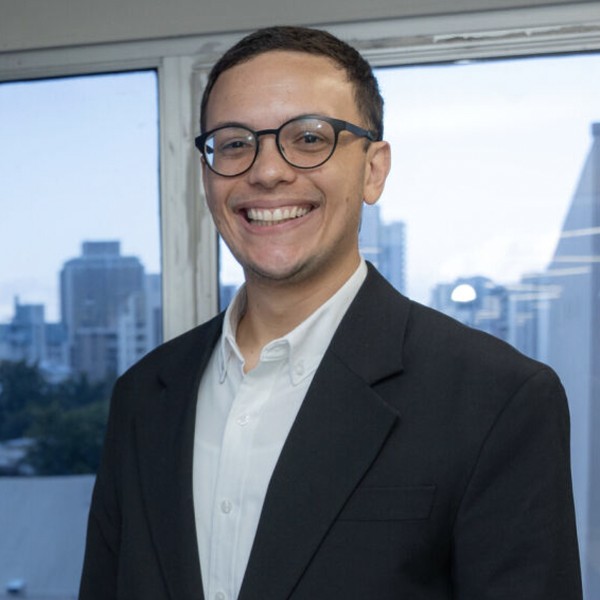
Moderator
Emmanuel F. Oquendo-Rosa
CEO and Co-Founder
BrainHi
Workshop organized by ASPPR and BrainHi
AI and the Future of Patient Access
Workshop recap
Thank you to the health centers, presenters, and panelists who made this afternoon a real conversation about the future of patient access.
Speakers and panel
Moderator
CEO and Co-Founder
BrainHi
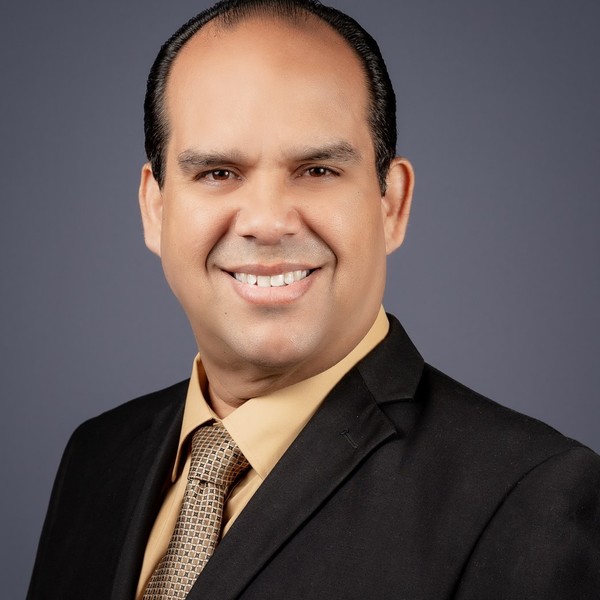
Welcome
Director, HIT Program (HCCN)
ASPPR
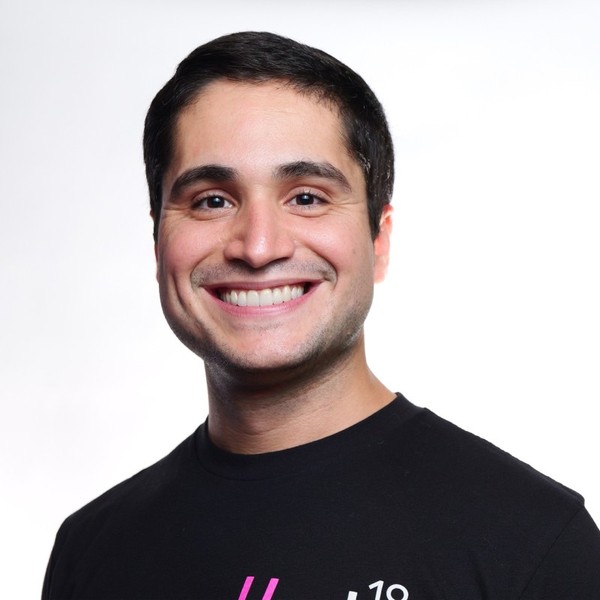
Welcome
Executive Director
parallel18
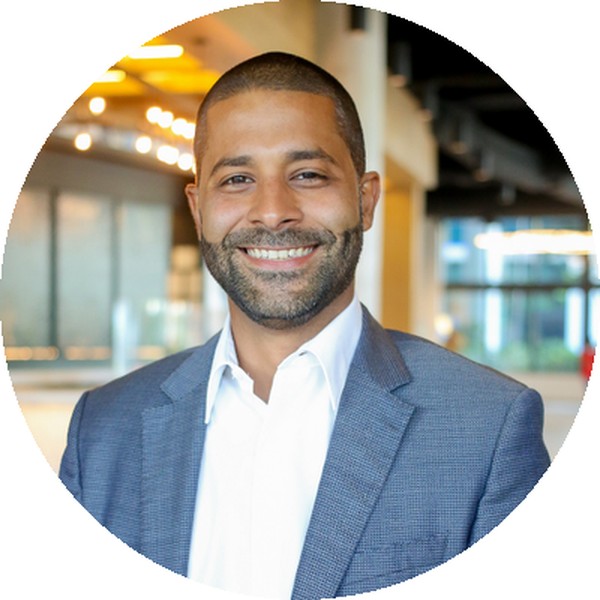
Keynote
President and CEO
Millennial Networks LLC
Hands-on lab
Founder & CTO
GREP.ai

Panel
Director of Technology
Hatimedik
Panel
President
TransCita
Panel
CEO
Hospital General Castañer
Recap
AI is already making its way into primary care centers. What separates successful adoption from a problem is governance: knowing what is being used, with which controls, and how it is measured. That idea ran through the entire afternoon.
Eng. Alberto Rodríguez opened with a simple question: who has a formal structure for evaluating AI tools? No one raised a hand. He proposed a governance toolkit based on Coalition for Health AI (CHAI) guidelines, starting with something as basic as taking inventory of the AI already used in the organization. He also warned that more than 80% of AI pilots fail to move forward because success criteria were never defined, and that organizations must document what a tool does on its own, where a human steps in, and what it will never do.
With so much marketing around AI, the panel agreed that separating signal from noise means asking for evidence for every control a vendor claims to meet. Three questions are essential: which model powers the tool, whether it trains on the center's and patients' data, and how it handles Puerto Rican Spanish. Above all, look for a partner who shares the risk, not just a provider.
During the Patient Access Reality Check, each participant called their own center or tried to book an appointment through its website. Experiences varied: a warm call ended with a walk-in for the next day, while another failed to switch to English and dropped twice during transfers. A center can lose between 1,300 and 7,000 calls a month, and one reflection from the group summed it up: today, we are surprised when a call works as it should.
Emmanuel Oquendo shared what BrainHi has learned in nearly a decade of bringing AI to health centers and introduced the new LARA, with a Puerto Rican voice and accent. He explained the controls that make it safe: the conversation is flexible, but what LARA can do is limited by permissions; the center can turn off any permission at any time; supervisors see what it does in real time, and every action is logged for auditing.
Miguel Ríos closed with a clear idea: over the last year, AI has moved from answering questions to taking action. The recommendation is to start with repetitive administrative tasks, such as data entry or preparing the week's summary, and use agents to accelerate the team, not replace it. Every attendee created their own agent live.
The panel also discussed concerns: deepfakes and voice cloning, agent-powered cyberattacks, staff copying patient information into free tools on their phones, and the tendency to stop thinking critically. As one panelist put it, we must build innovation with one hand and defend cybersecurity with the other. And never lose the human connection: for some patients, the person who helps them is their only contact that week.
Thank you to the Asociación de Salud Primaria de Puerto Rico, the presenters and panelists, and every center that participated.
Call and discover for yourself how LARA helps your patients naturally, at any hour.